

What Is Ethical Procurement? A Guide to Ethical & Responsible Sourcing
Ethical sourcing ensures that the materials, goods, and services a company procures are obtained responsibly, transparently, and in line with environmental and social standards. As businesses move beyond a single focus on profitability, ethical procurement has become essential for building trust, strengthening governance, and creating long-term value.
In today’s business world, where profitability is no longer the sole objective, companies have begun to integrate ethical, sustainable, and socially responsible principles into all their business processes to reduce their carbon footprint, ensure fair working conditions, and support biodiversity.
Companies that embrace the same responsibility in their procurement processes not only comply with ESG (environmental, social, governance) targets and regulatory expectations, they also achieve long-term gains through energy-efficient technologies, optimised supply chains, and stronger supplier relationships.
In this article, Promena takes a closer look at the concept of ethical sourcing, exploring the benefits that ethical and fair procurement processes offer companies, and the role digitalisation plays in supporting these efforts.
What is ethical sourcing?
Ethical sourcing refers to the process of obtaining products and services in a responsible and sustainable manner. Companies that practise ethical sourcing consider the social and environmental impacts of their procurement decisions. This approach requires a strategy that integrates ESG criteria into the sourcing process. However, it does not simply mean selecting suppliers that market themselves as environmentally friendly. It also involves evaluating traceability, working conditions, environmental impact, and transparency across the entire supply chain.
Adopting an ethical procurement approach that is grounded in ESG strategies reduces financial risks, increases efficiency, and strengthens long-term competitiveness. In contrast, ignoring these criteria can lead to penalties, contract terminations, and reputational damage.
How does an ethical procurement approach benefit companies?
Ethical procurement enables companies to reduce supply chain risks, increase transparency, and operate with greater environmental awareness. Although it would be misleading to view ethical procurement purely through an environmental lens, research increasingly demonstrates the importance of embedding environmental responsibility into procurement processes. For example, current sustainability studies show that supply chain activities can account for between 65% and 95% of a company’s total carbon emissions. These emissions, particularly those arising from supplier operations, represent the largest share of the carbon footprint in many industries. According to McKinsey’s analysis, Scope 3 (indirect) emissions make up around 90% of total emissions in many sectors, and a significant portion of these emissions originate from supplier production processes.
Adopting an ethical and fair procurement strategy is not only a responsible choice but also a way to enhance efficiency and reinforce corporate governance. The main benefits this approach offers companies are as follows:
- Better organisation of the procurement process: Ethical and fair procurement management ensures that the selection of suppliers and materials is aligned with the company’s environmental, social, and governance (ESG) criteria and sustainability values.
- Greater control and efficiency: Applying defined criteria helps improve the quality and performance of the products and services procured.
- Risk assessment and mitigation: Avoiding suppliers that do not meet ESG standards protects companies from financial, environmental, and reputational risks.
- Transparency and traceability: Ensures that all stakeholders in the supply chain comply with clearly defined ethical and fair procurement criteria.
- Positive impact on society and the environment: Integrating social and environmental responsibility into business processes strengthens brand perception and positions the company as a responsible and trustworthy organisation.
- Cost savings: Preferring products and suppliers that comply with ESG criteria can reduce energy and material consumption, which may result in long-term cost reductions.
What are the key strategies for developing ethical procurement processes?
To integrate an ethical and fair procurement approach into corporate operations, certain fundamental strategies need to be adopted:
- Selecting responsible suppliers: Before engaging with suppliers, assess their environmental and social commitments.
- Efficient use of resources: Prioritise recycled materials and options with a lower environmental impact.
- Agile methodologies: Develop flexible strategies that can adapt quickly to regulatory or market changes.
- Promoting sustainability: Encourage suppliers to develop products and services with stronger sustainability performance.
- Digitalisation of processes: Digitalise procurement and supply management processes to improve traceability and support data-driven decisions.
The effective use of technology provides tailored solutions for companies seeking to embed ethical sourcing principles into their daily procurement activities:
- Supplier evaluation and selection: Supports the identification and selection of suppliers that meet the company’s defined ESG standards.
- Risk monitoring and analysis: Identifies potential issues in the supply chain and helps mitigate risks.
- Reporting and auditing: Offers detailed data that improve regulatory compliance and strengthen decision-making.
- Process automation: Reduces the time and resources required for ethical and fair supply management by automating and optimising key workflows.
Ethical sourcing is a strategic imperative for any company seeking long-term sustainability. Integrating ethical and fair procurement into corporate governance not only improves environmental and social impact but also delivers tangible benefits in terms of efficiency, regulatory compliance, and reputation. Companies can achieve this transition more easily and effectively with platforms such as Promena, ensuring that their procurement processes comply with defined standards.
An example of Promena’s ethical procurement applications
Promena’s ESG360 model is a core service designed for companies that want to manage the ESG performance of their suppliers internally. The model focuses on digitalising supplier evaluation processes through flexible and user-friendly interfaces.
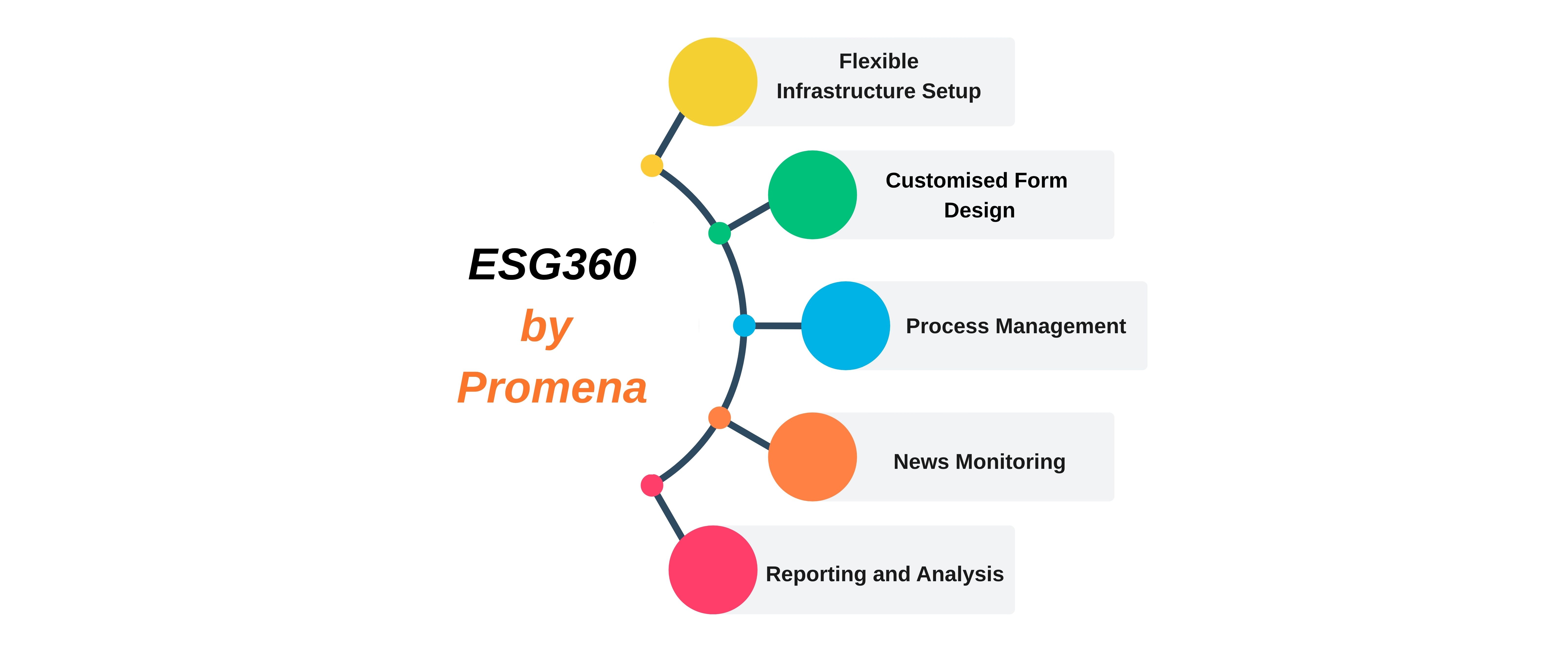
Key features of ESG360 by Promena
- Flexible infrastructure setup: Supplier evaluation periods, strategic criteria, and evaluation templates can be easily defined.
- Customised form design: Evaluation forms can be created using different question types, and customised scoring methodologies can be developed.
- Process management: Evaluation forms can be sent to suppliers, and their completion status can be monitored in real time.
- News scanning: Artificial intelligence algorithms scan publicly available data on suppliers and compile relevant insights.
- Reporting and analysis: Detailed reports can be generated, and performance analyses can be conducted based on the collected data.
This model has been developed to provide a powerful and flexible solution for companies seeking full control and autonomy in their ESG processes.
As environmental and social challenges intensify, more companies are turning to ethical and fair procurement practices. At the same time, consumers are becoming increasingly aware of the environmental and social impacts of the products they purchase and expect companies to act responsibly. Procurement departments therefore need to adopt strategies that reflect the company’s culture, structure, and rules while also considering sector-wide expectations and global values. This is achieved by standardising and automating manual processes and establishing transparent, fair process management for all stakeholders.
If you want to secure your position in a business environment where environmental and social responsibility are gaining priority, you can work with Promena to implement ethical and fair procurement strategies that build corporate trust and demonstrate your responsible management approach on an industry-wide scale.